What are the safety requirements for steel bar prefabrication and binding?
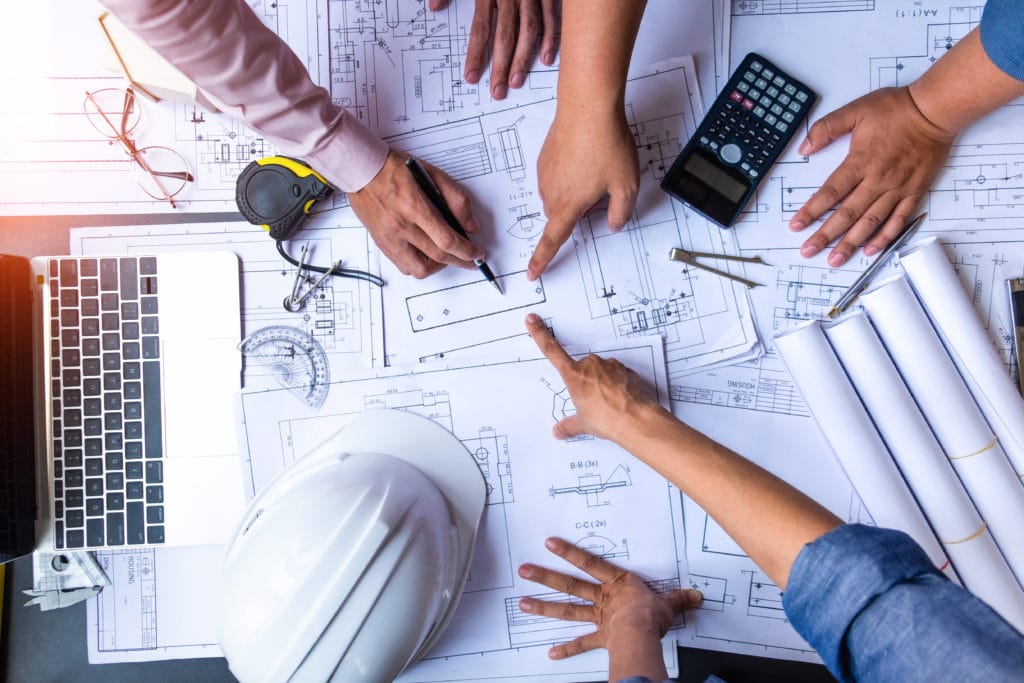
1. Use a machine to straighten the rebar. Ensure the clamps are secure and the anchors are strong. Pedestrians are prohibited within a 2-meter area along the rebar. Use a manual grinder to straighten the rebar. Do not use your chest or stomach to contact the grinder push bar. Loosen the rebar slowly, not all at once.
2. When unrolling the round steel bar, one end must be firmly clamped to prevent rebound, and it must be tightened with your foot before cutting.
3. When manually cutting, tools must be secure. Two people should stand at an angle, and when hammering, be mindful of people and objects in the area. When cutting short bars less than 300 mm, use pliers to securely grip them. Do not use your hands to hold the tool, and place a protective cover on the outside.
When manually bending rebar, the wrench should be firmly clamped, held flat, and held tightly. Stand firmly and avoid excessive force. Non-operating personnel are prohibited from standing nearby while bending rebar. Avoid bending at height or on scaffolding if possible. If necessary, add safety features.
5. When multiple people are transporting steel bars, the lifting, lowering, turning, and stopping movements must be coordinated. Manual up and down conveyances must not be on the same vertical line. Steel bars must be stacked steadily and dispersed to prevent tipping or collapse.
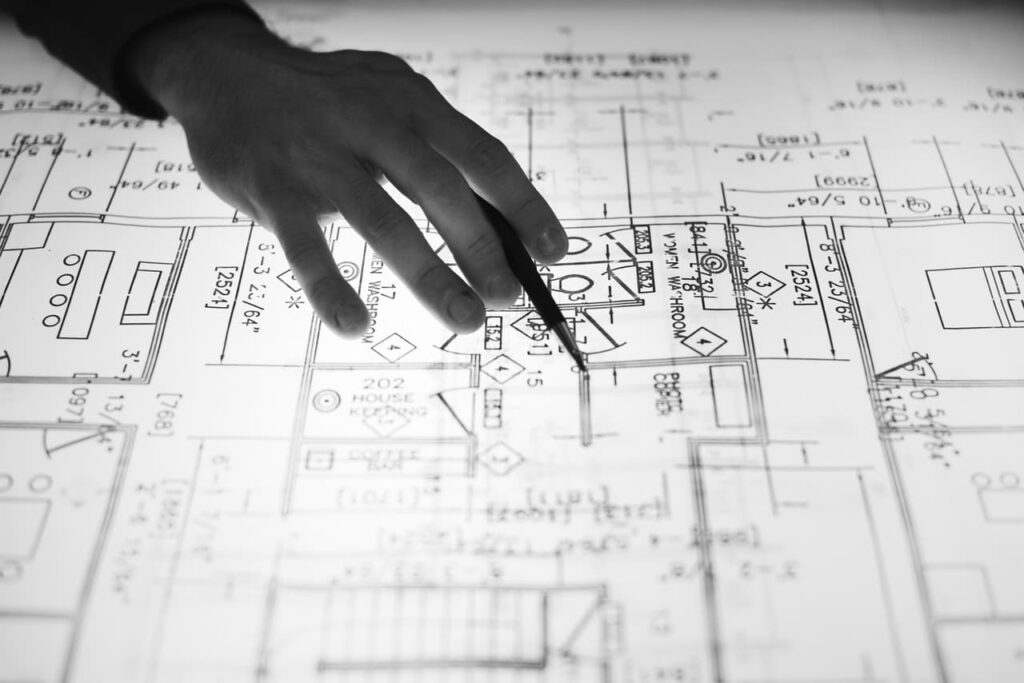
6. When tying columns and wall reinforcement, do not stand on the reinforcement frame or climb up and down the frame. It is strictly forbidden to hammer or step on the prestressed steel bars when tying prestressed steel bars.
7. When tying steel bars and installing skeletons at high altitudes or in deep pits, scaffolding and horseways must be set up. When installing steel bars in suspended structures, operators must stand on scaffolding and not on formwork or supports.
8. When tying the steel bars of the ring beams, cantilevered eaves, exterior walls, and side columns of high-rise buildings, set up external racks and safety nets, and wear safety belts when tying. When tying steel bars at high heights, be sure to prevent hooks and steel bars from falling and injuring people.